Christmas Book: A Review of Seasonal Illustrations for Publishers
As a digital publisher who has spent years refining blog aesthetics and editorial workflows, I approach every new graphic design asset with a critical eye. We are not just looking for something pretty; we need visuals that drive clicks, build trust, and elevate the perceived value of our content. Recently, I evaluated the Christmas Book collection to see if it fits into my real-world publishing ecosystem. After testing these assets across various platforms, from newsletter headers to affiliate product pages, I found that this collection offers a unique blend of warmth and structure that can significantly enhance seasonal content marketing strategies.
The First Impression: Setting an Editorial Mood
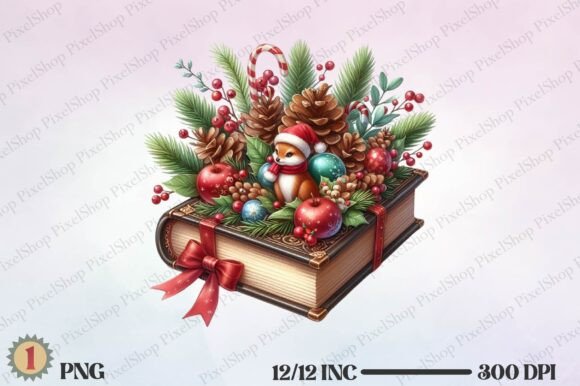
When you first open the Christmas Book illustrations, the immediate feeling is one of curated elegance. Unlike generic clip art that often feels disjointed or overly commercial, these designs possess a cohesive narrative. They create an editorial mood that balances festive cheer with a polished, professional finish. This is crucial for modern publishers who want to maintain brand authority even during holiday campaigns.
The style leans towards a clean, modern aesthetic with decorative flourishes that feel intentional rather than cluttered. It naturally supports niches focused on lifestyle, home decor, parenting, education, and creative entrepreneurship. If your website relies on visual storytelling, these illustrations provide the "hero" element needed to stop a user's scroll. They signal to the reader that the content behind the image is high-quality, trustworthy, and worth their time. For a digital guide or a downloadable worksheet, this level of artistic integrity is essential for conversion.
Integrating Visuals into a Real Publishing Workflow
In my daily workflow, I rarely use images in isolation. Every graphic must serve a specific function within a broader content strategy. The Christmas Book collection proved versatile enough to handle multiple roles simultaneously without losing its identity. Here is how I integrated these assets into a comprehensive publishing plan:
- Featured Images and Article Headers: These illustrations provided the perfect backdrop for year-end roundups and gift guides. The layout allowed ample negative space for headlines, ensuring that the text remained legible while the imagery set the tone.
- Pinterest Graphics and Social Media Posts: The vertical dimensions worked seamlessly as Pinterest pins. The visual hierarchy was strong enough to stand out in a crowded feed, drawing attention to affiliate links and blog posts alike.
- Digital Products and Lead Magnets: I used the assets to redesign the covers of my free Christmas planners and worksheets. The shift from basic templates to custom Christmas Book graphics immediately increased the perceived value of the download.
- Newsletter Banners: Adding these illustrations to email headers created a consistent brand identity that subscribers recognized instantly. It made the emails feel less like spam and more like a personalized letter from a friend.
- Media Kits and Affiliate Pages: For sponsored posts and media kits, these images added a layer of professionalism that helped secure partnerships. Clients appreciated the modern design language that aligned with current web trends.
Boosting Performance Through Stronger Visual Identity
Why does the choice of illustration matter so much for performance? In the world of content marketing, users make split-second decisions about whether to engage. A well-designed asset creates a stronger first impression, which directly correlates with better click-through potential. When readers see a cohesive visual system, they subconsciously assume the content is equally well-researched and reliable.
The Christmas Book illustrations excel at establishing a clear visual hierarchy. By using these assets as category thumbnails or section dividers, I was able to guide the reader's eye through the page more effectively. This improved navigation keeps users on the site longer, reducing bounce rates. Furthermore, consistent use of these design assets strengthens the overall brand identity. Whether a visitor arrives via social media, search engines, or email, the familiar aesthetic reinforces recognition and loyalty.
For those utilizing affiliate marketing, the difference is stark. High-quality visuals around product recommendations increase trust. Readers are more likely to click an affiliate link if the surrounding graphics look professionally designed rather than slapped together. The Christmas Book collection provides the polish needed to turn casual browsers into buyers.
Strategic Placement: Where These Assets Shine
While these illustrations are powerful, they perform best when placed strategically. They are ideal for hero images where they can be viewed in full detail. Using them as article thumbnails helps establish a thematic connection between the image and the story. In editorial layouts, they serve as excellent accents that break up long blocks of text without overwhelming the reader.
I also recommend using them for content upgrades and downloadable resources. A beautiful cover for a PDF guide makes the offer irresistible. Additionally, they work wonderfully as category visuals on the homepage, helping users quickly identify sections of interest. For newsletter headers, they add a touch of personality that encourages opens and engagement.
Cautionary Notes for Specific Niches
No single design asset is a universal solution. While Christmas Book is fantastic for lifestyle and creative brands, there are scenarios where it requires careful handling. If you operate in a serious professional niche, such as corporate finance or legal advice, the playful nature of these illustrations might undermine the gravity of your message. In these cases, a more minimal visual system is preferred.
Technical considerations are also vital. On small mobile thumbnails, intricate details can get lost, making the image appear muddy. Always test your graphics at 150x150 pixels to ensure clarity. Similarly, avoid placing these assets on busy backgrounds or low-contrast areas where the text becomes unreadable. If your website already has a very heavy visual load, adding another decorative element could create clutter rather than cohesion.
Essential Publisher Notes for Implementation
Before deploying any commercial design asset to a live site, rigorous testing is non-negotiable. I recommend the following checklist to ensure maximum effectiveness:
- Screen Testing: Preview the asset on desktop, tablet, and mobile screens. Ensure it scales correctly and maintains its impact on smaller devices.
- Thumbnail Check: View the image as a small thumbnail to confirm that key elements remain visible and recognizable.
- Layout Integration: Place the graphic inside a real blog layout to see how it interacts with sidebars, footers, and other page elements.
- Typography Pairing: Test the illustration alongside different font styles. I found it pairs beautifully with serif fonts for a classic look, but also works well with sans-serif fonts for a modern edge. Try it with script or handwritten fonts for a personal touch, and display fonts for bold statements.
- Contrast and Readability: Check the contrast levels. Ensure that text overlaid on the image is legible. Sometimes converting the image to black and white helps reveal underlying structural issues.
- Performance Optimization: Review the file size. Large images can slow down your website, hurting SEO. Compress images properly before uploading to balance quality with speed.
- Licensing Verification: Confirm that you have the correct commercial license before using these illustrations on monetized websites, affiliate pages, or paid content products. This protects you legally and ensures you can use the assets for business growth.
Ultimately, the Christmas Book collection is a valuable addition to any publisher's toolkit. It bridges the gap between festive creativity and professional execution. Whether you are creating a Canva template, designing a digital guide, or simply refreshing your website's seasonal look, these illustrations provide the foundation for a polished, high-converting visual experience. By treating your graphics with the same care as your writing, you create a digital environment that readers love to explore and trust.