Watercolor Christmas Giraffe Clipart Review
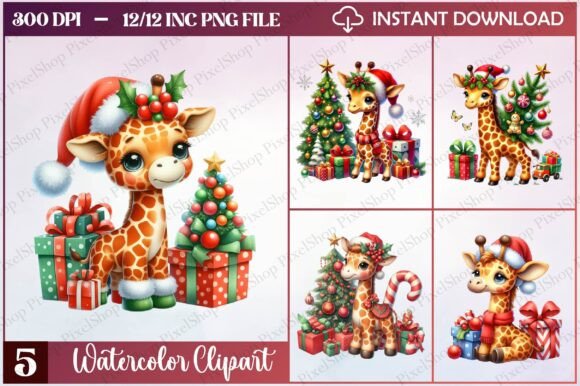
When I first opened the Watercolor Christmas Giraffe Clipart file, my immediate reaction was one of delight mixed with professional caution. As someone who has spent years turning digital assets into tangible stitched goods for clients and craft fairs, I know that a pretty image does not always translate to a successful embroidery design. This piece falls squarely into the Illustrations category, but its potential lies in how well it bridges the gap between a soft watercolor aesthetic and the rigid reality of machine stitching.
The mood is undeniably festive yet whimsical. The giraffe theme brings a touch of unexpected charm to standard holiday motifs, while the watercolor style suggests a soft, hand-painted feel. For an embroidery designer, the challenge is always: can we replicate this fluidity? In theory, yes, provided we have the right digitization approach. The visual personality here is gentle and inviting, making it perfect for projects where you want to evoke warmth rather than bold statement. It feels like the kind of design that belongs on a nursery wall or a cozy holiday gift, rather than a high-visibility promotional banner.
From Screen to Stitch: A Real-World Scenario
Let's imagine a specific scenario. You are preparing inventory for a small boutique shop or an Etsy listing just before the holiday rush. You need a custom embroidered tote bag for a client who requested something unique for their family gathering. Most designers would reach for a reindeer or a snowman. However, you decide to test the Watercolor Christmas Giraffe Clipart.
After digitizing the artwork, you stitch it onto a natural canvas tote bag using cream thread on a dark navy background. The result is stunning. The soft edges of the watercolor effect, when converted to satin stitches and fill stitches, create a dreamy texture that looks expensive and thoughtful. Customers walking through a craft fair stall stop because it stands out from the sea of traditional red-and-green designs. It signals that the maker put thought into the selection, elevating the perceived value of the finished product.
This same design could easily transition to a baby onesie for a "Christmas Jungle" themed party. The giraffe motif is inherently playful, and the holiday twist adds a seasonal layer without being overwhelming. On a sweatshirt, the design acts as a focal point, drawing attention to the chest area. The key here is that the design works because it balances complexity with simplicity. It isn't so detailed that it loses definition, nor is it so sparse that it looks unfinished.
Where This Design Shines Best
In my experience reviewing various embroidery files, certain designs are versatile enough to handle multiple fabric types and garment styles. The Watercolor Christmas Giraffe Clipart excels in several specific areas:
- Holiday Embroidery Projects: Whether it is a kitchen towel, a pillow cover, or a blanket, the design fits the seasonal narrative perfectly. It adds a modern twist to classic home decor.
- Baby and Nursery Items: The soft color palette and cute animal subject make it ideal for baby embroidery. It is safe for delicate skin and visually soothing for infants.
- Small Business Merchandise: For Etsy sellers and craft business owners, this asset serves as a strong differentiator. It allows for personalized gifts that feel bespoke rather than mass-produced.
- Apparel Decor: It works beautifully on sweatshirt embroidery and tote bag design applications where a slightly larger canvas allows the details to breathe.
The design also translates well to digital embroidery file previews. When creating printable mockups for your online store, the watercolor aesthetic renders cleanly, giving potential buyers a clear idea of the final look before they commit to purchasing a physical item.
Navigating Technical Challenges and Limitations
However, every experienced designer knows that beauty comes with constraints. While the Watercolor Christmas Giraffe Clipart is visually appealing, there are specific situations where you must exercise caution. If you attempt to stitch this on a small hoop size, such as those used for caps or hats, the fine details of the watercolor wash might get lost or become muddy. Curved surfaces like caps require careful tension management; if the stabilizer is not chosen correctly, the design may pucker, ruining the soft gradient effect.
Textured fabrics present another hurdle. While a rough linen might complement the rustic feel of watercolor, highly textured materials can obscure the finer lines of the giraffe's features. Similarly, thin fabrics can struggle with the density required to hold the shape, especially if the design relies heavily on fill stitch areas to create depth. Stretchy fabrics demand extra care; without proper stabilization, the elasticity of the material can distort the stitching, leading to gaps or misalignment.
Dense stitch areas should be monitored closely. If the original illustration has too much intricate detail, converting it entirely to satin stitch can result in a thick, raised pile that might not lay flat. This is particularly important for products that need frequent washing, such as aprons or dish towels. Over time, excessive density can lead to thread breakage or fabric wear. Additionally, tiny lettering or decorative accents within the clipart should be avoided if the final product is intended for very small items, as they will simply disappear once stitched.
Practical Notes for the Designer
Before committing this design to a production run or selling it as part of a commercial embroidery package, I strongly advise taking these practical steps:
- Test on Scrap Fabric: Always run a test stitch on a scrap of the actual fabric you intend to use. This helps you gauge thread color contrast and see how the stitch density interacts with the weave.
- Check Stabilizer Needs: Depending on the fabric weight, you may need cut-away or tear-away stabilizers to ensure the design holds its shape without distorting the material.
- Review Small Details: Zoom in on the digital file to inspect corners and fine lines. Ensure that no critical elements are so small they risk breaking during the stitching process.
- Black and White Mockups: Convert the design to grayscale to check contrast levels. Sometimes colors hide lack of definition that becomes obvious in monochrome.
- Licensing Verification: Confirm whether the design assets allow for commercial use. If you plan to sell finished products, you must ensure you have the rights to do so. Do not assume the license covers both personal and commercial projects without checking.
Furthermore, consider the thread colors carefully. The success of a watercolor-style applique design often depends on using variegated threads or blending shades to mimic the painted look. Standard solid colors might flatten the image, losing the artistic intent. Comparing light and dark fabric backgrounds is essential to ensure the design remains visible and vibrant regardless of the base material.
Final Thoughts on Value and Trust
Ultimately, the decision to use the Watercolor Christmas Giraffe Clipart in your workflow comes down to the story you want to tell. In a market saturated with generic holiday imagery, this design offers a fresh perspective that resonates with customers looking for something special. It enhances brand consistency by offering a cohesive, artistic look across various handmade products.
For creative entrepreneurs and makers, investing time in mastering the digitization of this clipart can pay off in higher customer trust and engagement. A well-executed embroidery project reflects professionalism and attention to detail, qualities that buyers appreciate and are willing to pay a premium for. Whether you are creating a personalized gift for a friend or stocking shelves at a small shop product launch, this design has the potential to elevate your work from simple decoration to true art.
Just remember to respect the technical limitations of embroidery. By testing thoroughly and choosing the right materials, you can transform this digital illustration into a cherished physical object that captures the magic of the season.